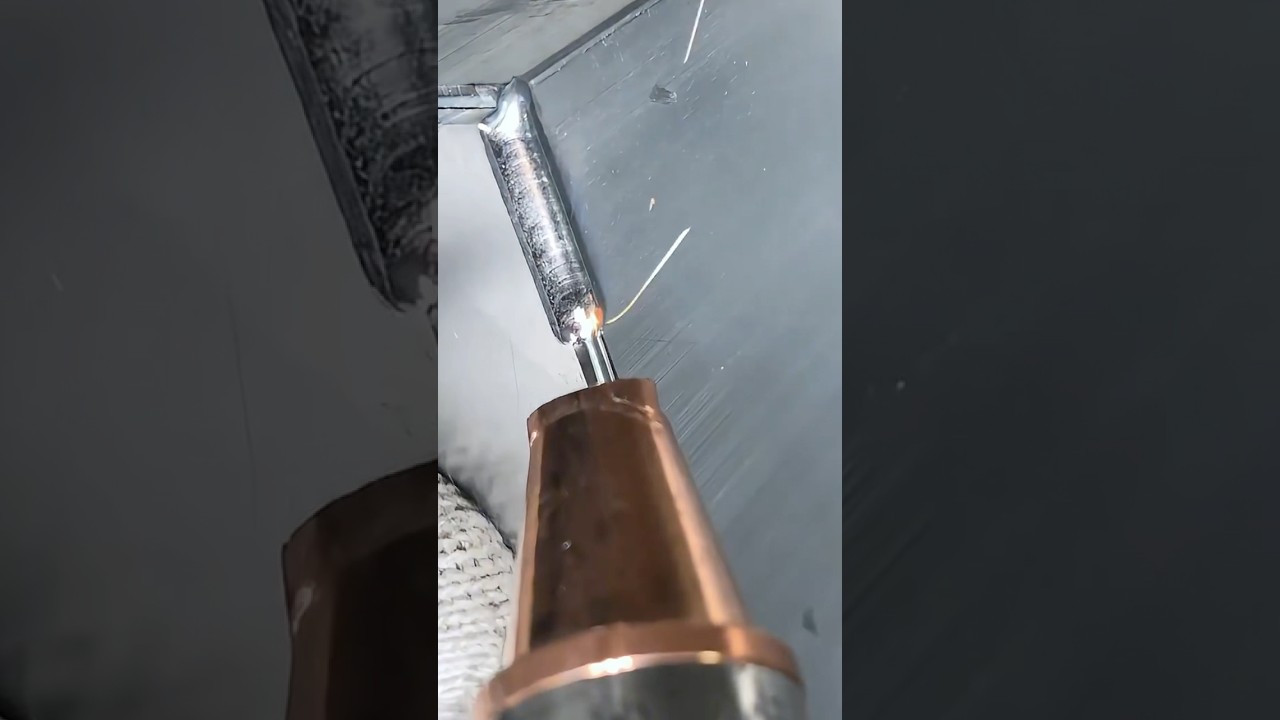
Fence Welding Services: Custom Panels, Posts, and Repairs
Strong fencing is more than a line on a property map. It carries the weight of weather, traffic, and the odd forklift nudging where it should not. Good welds hold the story together. Whether you manage industrial yards, maintain a loading dock, or want wrought iron fencing that looks right on a historic home, the details in fabrication and field repair determine how that fence lives and ages.
What fence welding really involves
“Fence welding” covers a wider sweep than most people expect. It stretches from shop-built custom panels and gate frames to on site welding services that fix a bent post after a trailer backs into it. It includes structural tie-ins to steel columns, aluminum gate leafs for coastal air, stainless handrails on ramps, and field-spliced pipe fencing along acreage. If it carries load, resists prying, or hinges smoothly, a welder touched it somewhere along the way.
A typical day might start in the shop, TIG welding stainless infill panels for a food facility, shift to MIG welding a set of square-tube railings, then end on a gravel lot under lights with a portable welder running off a truck to stitch a cracked hinge barrel back into service. The process changes with the material and the site constraints, but the goal does not: fit, function, and a weld profile that balances strength with appearance.
Materials that make or break a fence
Mild steel remains the workhorse for fence frames, posts, and pickets. It welds predictably, adapts to both MIG and stick, and accepts coatings from shop primer to galvanizing. For high-traffic industrial sites, we often use heavier wall thickness than big-box panels. A 2 inch square post with 3/16 inch wall handles real-world impacts, where a 14 gauge post wrinkles at the first shove from heavy equipment.
Wrought iron fencing, at least in modern parlance, usually means ornamental carbon steel with scrolls and collars. The joints are straightforward, but the finish demands care. Grind marks telegraph through powder coat. On high-end projects, we lay beads short and cool, dress welds with flap wheels, and avoid overgrinding that thins corners. True puddled wrought iron exists on restorations. Welding it needs a gentler approach, low heat input, and sometimes buttering with compatible filler.
Aluminum suits coastal and pool environments. The weight savings shine on wide gates, where a 12 foot span stays manageable with a modest hinge set. Aluminum welding calls for a clean joint, a dedicated stainless brush, and careful prep. We TIG aluminum when appearance matters, especially on railings, and switch to MIG with a spool gun for production work. Post sleeves and isolation pads break galvanic couples when aluminum meets steel hardware.
Stainless belongs where hygiene, corrosion resistance, or a crisp aesthetic are nonnegotiable. It welds beautifully with TIG, but heat tint has to be removed, especially in food or pharma settings. We pickle or passivate after fabrication. For exterior railings, 304 is common, yet in coastal zones 316 buys years of extra life. Stainless steel welding punishes shortcuts in prep, fit, and shielding, so we control wind and drafts on site with screens or weld in the shop when possible.
Process choices: TIG, MIG, and stick in the field
Process selection follows the job. MIG is the workhorse for fence frames, posts, and gates in carbon steel. It gives productivity and sufficient control for neat beads, especially with short-circuit transfer on thinner material. Flux core, gas-shielded, steps in for outdoor work or thicker sections. Stick welding still matters at battered posts and rusty base plates, where 7018 creates reliable structural tie-ins even when conditions are marginal.
TIG earns its keep on aluminum and stainless, precision hinge barrels, and visible joints on decorative gates and railings. On pipe welding for ranch-style fences, we use both MIG and stick depending on wind and cleanliness. For emergency welder callouts at night, stick often wins because it tolerates less-than-perfect prep and breezy conditions that would scatter shielding gas.
Building custom fence panels that fit and last
Most commercial projects benefit from shop-built panels. We cut rails and pickets on jigs, tack opposite corners to control pull, and sequence welds to keep panels square. Pickets can be plug welded through rails, fillet welded along the face, or mechanically fastened, each with trade-offs. Plug welds hide better under paint. Face welds are quicker but need consistent gaps to avoid burn-through on thin stock.
For infill between brick piers or concrete columns, templating saves headaches. We use thin plywood or laser measurements, especially when walls are out of plumb by a degree or two, then fabricate to the real geometry, not the drawings. A panel that fits the hole with 1/8 inch tolerance needs less field grinding, which preserves the factory coating and reduces hidden rust starters.
On industrial fencing, wire mesh or expanded metal panels work well along loading dock edges to keep people and equipment where they belong. Stitch welding mesh to frames can warp thin members. Short, staggered beads and back-step techniques keep frames flat. Where forklifts brush past, we add sacrificial rub rails at bumper height to sacrificially take scuffs that would otherwise pull mesh loose.
Posts and footings that hold their line
The strongest panel fails if the post gives up. We see posts set shallow, without bell bottoms, or in holes too big for their diameter. A 2 feet embedment might pass for a yard fence, but tall industrial runs need 30 to 42 inches depending on wind exposure and soil. In frost country, extend below frost line. In sandy soils, wider diameters or sonotubes resist lean.
Base plates offer another route where cutting into slabs is not acceptable. Anchor spacing should clear edge distances per manufacturer data, and plates need proper thickness to avoid flexing. With truck welding rigs, we can field-tack plates to posts, check fit against anchors, and then weld solid with backup bars to keep distortion in check. Shims should not look like a deck of cards. We machine custom wedges for clean lines and load transfer.
We repair more posts than we install. Typical calls involve a trailer jackknifing into a terminal post or a pickup pushing a gate off line. If the concrete is intact, we can straighten and sleeve. A heavy wall split sleeve, rosette welded and wrapped with a tight fillet, restores strength without a full dig-out. Where the footing failed, we core drill and set a new post with non-shrink grout, then splice to the existing panel. These pipe repair methods save time and preserve adjacent landscaping or slab finishes.
Gates that swing, roll, and survive daily use
Hinged gates fail at the hinge line when undersized barrels and small pin diameters meet daily cycles. We oversize hinges relative to gate weight and width, and we stitch reinforcing plates along the stile to spread load. For tall gates in windy areas, 3/4 inch pins and greaseable hinge barrels keep movement smooth. Hinge alignment during welding matters. Tack both hinges, test swing, then lock the alignment with full welds while the leaf is supported to take weight off the new welds.
Sliding gates thrive in industrial yards with limited swing clearance. The track and the first 8 feet are where damage happens. Forks slip, trucks rub. We use heavier track sections and protect the nose with a tapered bullnose. For cantilever gates, the roller spacing, post stiffness, and gate deflection under wind load determine performance. Aluminum gates reduce inertia on long spans, but we still brace diagonally and check that deflection stays within limits so the latch lines up at temperature extremes.
Operators introduce their own variables. Welding brackets to operator arms and mounting pads must follow the manufacturer geometry. Misalignment shows up as binding, overheated motors, or shear pins snapping. On retrofit work, we template bracket positions, tack with a portable welder during live testing, then finish weld once the travel is dialed. For security, we weld anti-lift tabs, guard shields, and, when specified, integrate expanded metal infill to prevent reach-through at the latch.
Railings at entries, ramps, and platforms
Railings are cousins to fences. The welds carry more liability because people lean, pull, and sometimes ride them. On residential stoops, MIG-welded steel railings with sealed post-to-plate joints avoid water ingress. On ADA ramps, we favor stainless or galvanized steel with continuous top rails and returns. The posts need underpinning that matches slab edge conditions. Anchors too close to slab edges can spall under load; adding embedded sleeves before pour, when possible, gives a better result.
In industrial plants, guardrail and handrail systems face hits from carts and equipment. A simple rule holds: if a forklift can reach it, it needs reinforcement. We weld kick plates and toe boards where required, scuff plates at common contact points, and design posts for shear at the base. Painted rails chip under daily abuse, so galvanizing or powder coat with a zinc-rich primer extends life. Stainless posts at washdown areas keep corrosion from creeping under coatings.
Field welding realities: wind, coatings, and schedules
On site welding services run into wind and coatings more than anything else. Shielding gas does not forgive a gust, so we carry screens and, if needed, switch to stick for root passes. Old paint and galvanizing must be removed in the weld zone. With galvanized steel, grinding back 2 to 4 inches from the joint reduces porosity and minimizes zinc fumes. We keep fume extractors close and respirators on, especially in corners where circulation is poor.
Coatings schedule needs coordination. Hot-dip galvanizing protects steel inside and out but adds thickness. We oversize hinge barrels and drill holes post-galv where tolerances are critical. Powder coat looks great over smooth welds, yet it chips if the base metal moves. For high-traffic gates, a zinc-rich primer under a two-part polyurethane paint balances impact resistance and repairability. Stainless and aluminum avoid these layers, but dissimilar metal contact still needs isolation washers and sealants.
Night and weekend repairs are common in facilities that run two or three shifts. A truck welding setup with a generator, leads, and lights turns a dark corner into a workable bay. Emergency welder calls usually involve pinch points, a gate stuck open, or a security breach. The first priority is safe function. We tack, test, and, if needed, leave a temporary brace before returning in daylight for finish work. Documenting the quick fix with photos helps explain why a permanent repair might call for a new hinge set or a thicker post.
Structural tie-ins and code awareness
Fence lines often meet structures, and those connections deserve structural thinking. When welding a fence return to a building’s steel column, we verify the column’s role. If it is structural, we use AWS D1.1 practices, keep heat input controlled near fireproofing, and weld only to tabs or attachment plates, not to thin flanges that would need engineering approval. For masonry tie-ins, we set plates with anchors that meet edge distance and embedment, then stitch returns in the field.
Certifications matter more as the work gets closer to structural. A certified welder with AWS qualifications demonstrates proficiency for specific processes and positions. While not every fence weld is structural, many gate posts and base plates see real loads. Being able to show a welder’s continuity records and WPS adherence helps on projects with inspectors. Even where code does not demand it, following structural habits, like proper preheat on thick sections and low-hydrogen electrodes, shows up in longer service life.
Pipe fencing and ranch work
Pipe fencing looks simple, yet the miles add up. We saddle cut rails to sit clean on posts, tack all runs, then weld in sequence to keep lines straight. On sloped ground, we step the rails or roll them to follow grade, depending on the client’s preference and the animals involved. Horses test fences differently than cattle. Smooth top rails prevent injury. For gates on ranch entries, we often pick aluminum for the leaf to keep opening weight down, and use steel hinge posts for stiffness.
Pipe repair in the field can be quick if the damage is local. A bent section gets cut, a new saddle-cut piece slipped in, and full circumferential welds tie it back. For coated pipe, we bevel, weld, and then recoat with compatible epoxy. Where the damage indicates soil movement or a water line heave, we dig and add deeper footings rather than repeating repairs every season.
Loading docks and industrial edges
Fences around loading docks take more abuse than any other perimeter. Trucks misjudge turns, pallet corners scrape, and snow plows shave too close in winter. We specify heavier posts, closer spacing, and sacrificial corners that can be replaced without shutting down the dock. Guard bollards at gate posts protect hinges and latches. The fence line should not trap snow or debris against the dock. We raise bottom rails or use open mesh so maintenance crews can clean without cutting into panels.
For equipment yards, we tie fence posts into concrete grade beams when possible. Where the slab is already poured, we core and grout sleeves for posts at critical corners. On sliding gates, we choose V-track set in flush concrete or an inverted track that sheds debris. The roller housings are kept above grade and shielded. These details, though dull on paper, are the difference between a gate that works daily and one that needs a crowbar every third week.
Inspection and proactive maintenance
Small problems are cheaper than big ones. A seasonal inspection finds cracked weld toes on hinge tabs, loose anchors at base plates, and early corrosion around welds that lost coating during installation. Gates should swing with one hand. If you feel binding or hear grinding, alignment or bearing wear is at play. On powder-coated steel, chips wider than a quarter warrant sanding and touch-up with a compatible system before rust spreads under the film.
Stainless benefits from periodic washing, especially near roads or ocean spray. Aluminum oxidizes but holds strength, so most maintenance is about hardware and hinges. For industrial sites, we keep spare hinge barrels, latch assemblies, and a small supply of matching tubing on the truck. A mobile welder with a well-stocked rig can turn around common repairs in a single visit, avoiding downtime and temporary fencing.
When to choose shop work, when to weld on site
Some projects crave the control of a shop environment: ornamental gates with tight patterns, stainless railings with mirror finishes, or complex frames that need jigs to hold geometry. Shop work means better shielding, stable power, and controlled fit-up. We prefabricate as much as practical, then use on site welding services to install with minimal heat input to surrounding materials.
Field welding shines for adjustments, repairs, and simple assemblies that gain nothing from a trip back to the shop. Truck welding allows fast reaction to surprises behind a wall or below grade. On a recent retrofit, a set of existing posts sat 3/4 inch out of plane, a product of a years-old slab pour. Rather than tear it all out, we shimmed base plates with machined wedges, welded perimeter skirts to hide the shims, and delivered a clean look in a single day.
Selecting a welder and setting expectations
Experience shows in the questions a welder asks. Expect to hear about material type, coating plans, wind exposure, gate dimensions, soil conditions, and adjacent structures. Ask whether the team handles MIG, TIG, and stick, and if they have aluminum welding and stainless steel welding capability. For industrial or municipal work, ask for AWS certifications and insurance details. If the job touches structural elements, request a WPS or at least a description of process parameters and preheat practices.
Clarity up front avoids changes later. Provide photos, rough measurements, and, when possible, a site walk. Talk about access for a mobile welder truck, including clearance, power availability, and whether hot work permits are needed. Agree on whether temporary fencing is required during the work and who handles traffic control if the fence crosses a busy path.
A brief, practical planning checklist
- Define the material: steel, aluminum, or stainless, and the desired finish.
- Confirm post sizing, footing depth, and spacing based on site conditions.
- Decide gate type, hinge size, and latch or operator details up front.
- Plan coatings and touch-up sequence around welding and bolting.
- Schedule access for truck welding and coordinate any hot work permits.
Safety and environmental considerations
Hot work near landscaping or pallets can go bad fast. We stage a fire watch whenever we weld near combustibles, keep extinguishers within arm’s reach, and use welding blankets to shield surfaces. Grinding throws sparks farther than most people realize. We cover nearby vehicles and glass. On galvanized steel, we ventilate and limit heat. Zinc fumes are not a rite of passage.
Noise and dust matter around offices and neighbors. We choose cutoff saws and grinding wheels with that in mind, work off-hours when requested, and clean the site daily. For sensitive facilities, we use stainless brushes dedicated to stainless, prevent cross-contamination, and keep paperwork in order for auditors who care about material traceability.
Cost ranges and how choices move the needle
Costs vary by region, but the drivers are consistent. Material and finish dominate, followed by labor complexity and site access. A basic steel panel fence with painted finish runs far less than a stainless rail with TIG-finished joints. Aluminum gates cost more to fabricate but may save on operator wear and maintenance. On repair calls, an emergency welder visit at night carries a premium, though it often prevents bigger losses from a stuck-open gate.
One overlooked cost is rework from coating damage. A field weld on a galvanized fence needs careful touch-up with zinc-rich products to avoid a halo of rust in a year. Planning splice points and bolted joints where possible reduces field welding on finished pieces. Conversely, insisting on all-bolted decorative joints often backfires visually and loosens over time. A balanced plan, authored by someone who has installed and repaired these systems for years, saves money over the fence’s life.

Final thoughts from the field
Welding, at its best, disappears into function. A fence that lines up, a gate that closes with a click, a railing that feels solid under a hand on a wet morning, these are the markers of thoughtful fabrication and installation. The techniques change from TIG on a stainless picket to MIG on a steel post, from a stick repair on a windy night to precise aluminum welds in the shop, yet the standards hold steady. Fit matters. Prep matters. The right process at the right time matters.
If your project involves fencing, gates, railings, or the gray areas where they attach to structures and equipment, look for a welder who brings both a shop and a truck, who can pivot from structural repair to ornamental detail, who asks about wind, soil, and coating, not just footage. That mix of capability is what keeps a fence straight in February, a loading dock secure in August, and a front gate swinging true year after year.
On Call Mobile Welding
917 J Pl Suite 2, Plano, TX 75074
(469) 750-3803